
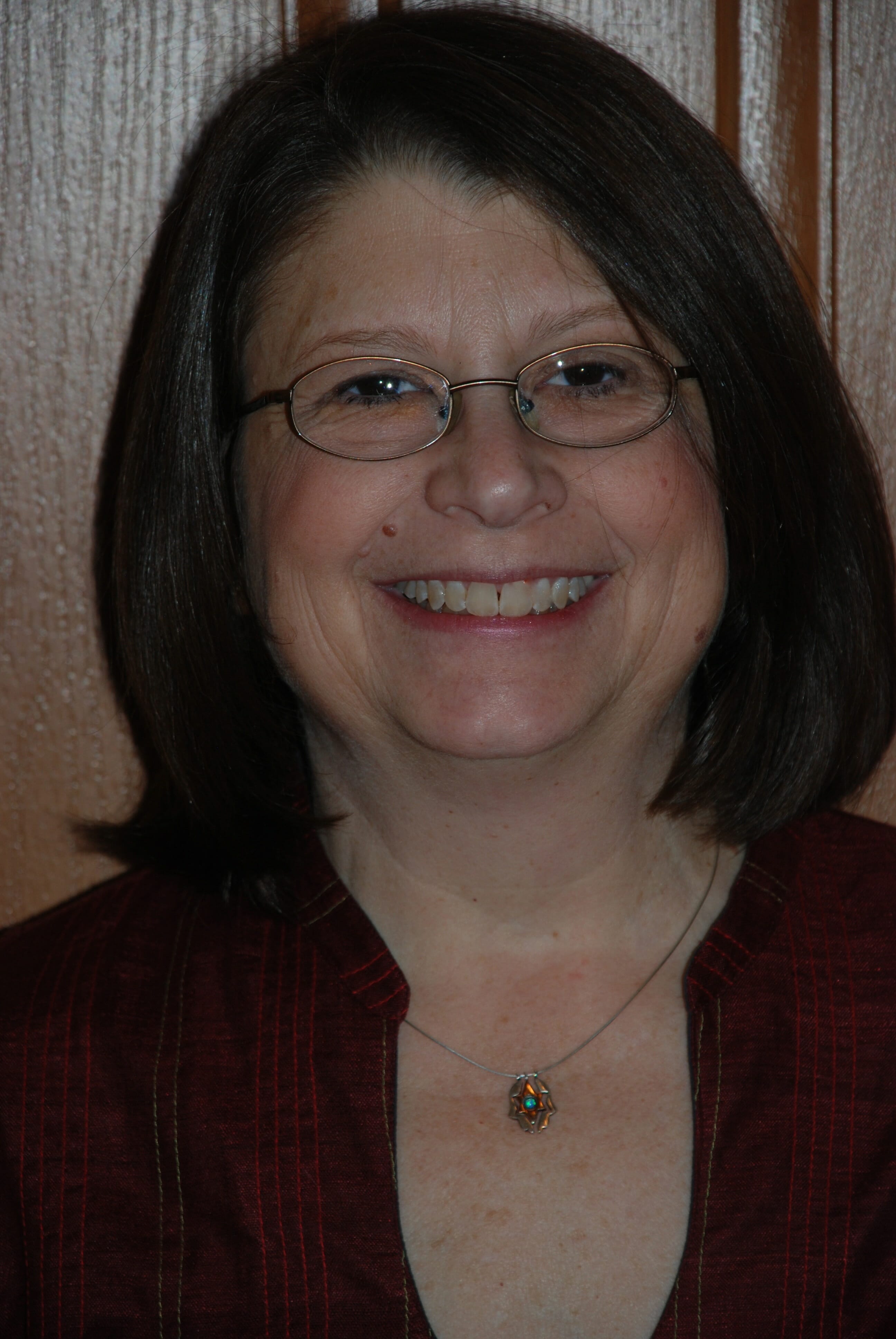
This week we have an interview with Sandra Bornstein, author of May This Be the Best Year of Your Life: A Memoir. Today, Sandra is answering some questions about her experiences teaching in India as part of her book launch tour.
 1)
You decided to teach in India in your fifties. How do you think your
experiences differed from those of a typical young English teacher abroad?
1)
You decided to teach in India in your fifties. How do you think your
experiences differed from those of a typical young English teacher abroad?
Most teachers who decide to teach abroad are single and in
their 20s and 30s. Oftentimes they have yet to establish any roots because
their priority is to explore the world. By teaching overseas, they are able to
use their time off to travel while simultaneously using their teaching skills. Others
may choose to teach abroad in order to teach English as a second language, to make
a difference in a less developed country, or to become immersed in another
country’s culture.
My situation was obviously different. My employment was tied
to my husband’s new position and my desire to see more of my eldest son who
resided in India. While my initial incentive to travel to India was different
than my younger colleagues, we shared a desire to use travel as a means to
experience different cultures and a belief that it was important to make a
difference.
What set me apart from my younger colleagues was the
experience I had gained from being married for decades and raising four sons.
While living in the US, I had become entrenched in my daily life and had grown
accustomed to following a set routine. While I always considered myself to be flexible,
I naturally felt most confident when I remained within a familiar environment.
The longer you live a certain way, the harder it is to accept any major
changes.
Once I traveled abroad, I had to readjust my thinking since
almost everything that I encountered appeared strange. While my reservations to
change may have been somewhat founded on my middle aged status, my ability to
be flexible was a byproduct of my personality. I realized that I needed to go with the flow if I wanted to survive.
My years of raising children enabled me to be more
responsive to my students’ needs. Being a mother provided a keener insight into
dealing with the young boarding students who were suffering from homesickness. I
could also see the parents’ viewpoints since I had decades of experience
advocating on behalf of my own children.
2)
Your Jewish identify plays an important role in the book. In some cases, you
seemed to find a greater sense of community amongst Jews you met in India than
in Colorado. Why do you think this occurred?
I have always relied upon my Jewish values and beliefs for
support during both ordinary and challenging times. When I lived in suburban
Chicago, I actively participated in our synagogue community, the general Jewish
community, and volunteered my time to numerous organizations. I felt part of
the organized Jewish community and was supported when family members died or
someone was recovering from an illness or an operation.
When our family relocated to Colorado, we struggled to find
an inviting synagogue. Two factors exacerbated the situation- distance and
demographics. In Illinois, we lived within a few miles of the synagogue and our
children went to public school with many of the members’ children. In Colorado,
the synagogue options were more limited and were a considerable distance away.
Fellow congregants and the clergy lived more centrally located and were
reluctant to visit even when our family was coping with challenging medical
issues. Feeling isolated made us less inclined to attend services or
participate in events.
Shortly after arriving in Bangalore, I reached out to the Chabad
rabbi and his wife. They responded immediately to my overture and continued to
remain in touch with me. Even though a greater distance separated us and my
transportations options were limited, they were more than willing to go above
and beyond to make sure that we remained connected.
While distance may make relationships more difficult, the
motivation of the parties involved can overcome this obstacle. The Chabad rabbi
and his wife did not want me to feel alienated and they made sure that I felt
part of their community.
3)
At one point, an Indian driver asks why anyone would choose to work in India
over America. Did you experience similar responses to your decision, both in
India and in the US, and did your feelings toward such statements change over
time?
The Indian driver was an outlier. Most of the Indians I
encountered did not comment on my desire to work in India. They were delighted
that I could share my American teaching experience and educational training.
A fair number of the people I met were friends or
acquaintances of my eldest son and future daughter-in-law. They freeely talked
about different job opportunities. My son had been an expat for years so my
presence did not seem out of the ordinary. Potential employers knew that my
husband was working for an Indian company so they were not surprised either. My
Indian teaching colleagues were ambivalent and did not express any opinion.
My friends and relatives in the US were a different story.
Most could not understand why I would leave the comforts associated with
American life. My closest friends told me that I should refuse to go. I was
disappointed that few could see the benefit of an overseas teaching adventure
and did not respect my decision. Under the circumstances, I relied on my gut
feeling that I was doing the right thing.
4)
Your son was already living in India when you moved there. How did that help
your adjustment to your new life?
I was lucky to have my son and future daughter-in-law’s
assistance. Both provided useful information that made it easier to adapt since
just about everything was different. They provided recommendations for shopping
and for transportation issues. I met dozens of people whenever I was with them.
Without their continued support, I would have had a more difficult time.
5)
Throughout the book, you detail the medical ailments afflicting several members
of the family. How did your interactions with medical professionals and
facilities influence your impressions of India?
In the US, hospitals and doctors follow certain safety and
sanitary standards. Acceptable medical practices in this country are not
universally acknowledged in other countries.
During my first doctor visit, I realized that Indian medical
institutions and personnel would follow different protocols. Whenever the
medical treatment seemed a bit different, I become more apprehensive.
I realized that India was a Third World country and that certain
things were to be expected. My observations strengthened my attitudes toward
American medicine rather than influencing any new feelings toward India.
6)
How did you cope with the different educational practices, especially as
someone who was already an experienced teacher? How did you strike a balance
between protecting your job and maintaining your integrity?
Sharing a classroom with another teacher requires day-to-day
cooperation and the desire to share a similar educational philosophy. My
American training and experiences were considerably different than my
co-teacher and most of the fifth grade team. The ability to work as a cohesive
group was frequently stymied by our dissimilar teaching philosophies. Addressesing
our differences was crucial to our success.
My memoir discusses some of the efforts I made to bridge the
cultural gaps. However, at times my efforts appeared counterproductive since my
fellow teachers were not always receptive to the theories or methods that I
shared. I was hired for my American expertise. If I wanted to be true to
myself, I had to adhere to an American code of ethics. I was not going to
shortchange my students by giving them any less than I would have given their
American counterparts.
7)
How did you decide to self-publish and what is one thing you’ve learned on your
publishing journey so far?
I communicated with a couple of literary agents and numerous
published authors about the pros and cons of self-publishing. Almost all agreed
that I would maintain more control over the content, style, and price of the
book if I chose to self-publish. I was also advised to decide on a publishing budget
since I would need to pay for all of
the upfront costs.
With the help of professional editors, I created the content
and the pervassive threads, located my voice, and decided on my message.
Additionally, I hired a design team and formatters to assist me. By being
responsible for all of the decisions, I took complete ownership of my book.
Until I started working on my book, I took for granted the enormous
amount of work that goes into writing, editing, revising, formatting,
publishing, and marketing a book. Now when I hold a book in my hand, I
appreciate the various levels of effort that were required in order to produce
that book.
8)
What are you working on next?
Right now I am in the midst of promoting my book. I am
planning a second virtual book tour and am simultaneously reaching out to my growing
audience using social media. In the coming weeks, I plan to move on to the next
level of my marketing plan.
After I have reached a comfort level with my marketing plan,
I will begin researching potential topics for a children’s book and possibly look
into short term teaching opportunities.
Thank
you for taking the time to answer these questions, Sandra. Best of luck as you
continue to promote your book!
You can learn more about Sandra Bornstein at her website. Her memoir is available in paper and e-book formats at Amazon: May This Be the Best Year of Your Life: A Memoir


